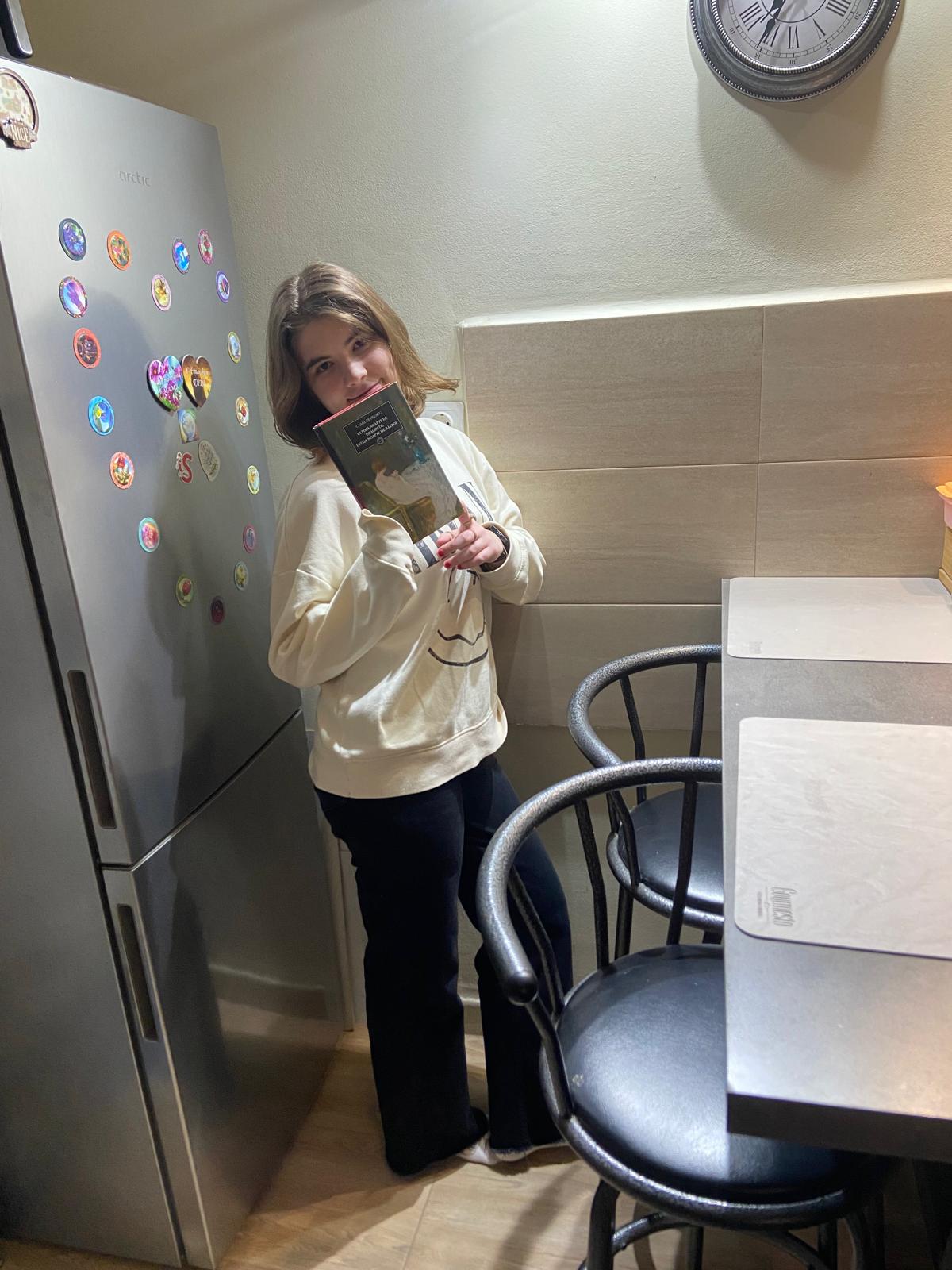
Every morning, at 7:30, I walk through the gates of my high school in Oradea, with my school tote bag full of books and a head full of dreams—studying Law in Berlin, at one of the most prestigious universities in Germany. Four thousand kilometres away, in Kabul, a girl my exact age wakes up knowing that opening a book, walking into a classroom, or even raising her voice in public is strictly forbidden by law.
Feminism is not an outdated debate or a social media trend—when basic human rights are erased by law, feminism becomes a matter of justice and survival.
First and foremost, what’s happening to Afghan women is not merely a strict set of laws, but gender apartheid—the systematic erasure of women from public life. According to UNESCO, which is part of the UN, Afghanistan remains the only country in the world where over 2.4 million girls are banned from secondary schools and universities. Furthermore, Human Rights Watch and international media, such as the BBC, report that a 2026 Taliban penal code effectively legalizes domestic violence: husbands are permitted to beat their wives as long as they do not cause broken bones or open wounds, and when severe physical marks are seen, the maximum penalty is only 15 days. Meanwhile, women face up to 3 months in prison if they visit their relatives regularly without a male supervisor. Combined with laws that forbid women from travelling without a male guardian, practicing sports, or letting their voices be heard in public, this system has prompted UN Special Rapporteur Richard Bennett to warn of institutionalized oppression—leading countries like Germany and Canada to take Afghanistan to the International Court of Justice, while the International Criminal Court has issued arrest warrants for Taliban leaders. According to the BBC, only 7% of women are employed, after being banned from many workplaces and fields of study.
To truly understand what this loss means to an Afghan teen girl, we just have to dive into literature. Reading Parinoush Saniee’s novel The Book of Fate (in Romanian, „Cel care mă așteaptă”), which was banned twice in Iran, tells the story of Masumeh, a teenage girl whose dream of going to university and getting a degree is stripped away when her parents decide to marry her off against her will—it makes us aware of how easily a girl’s future can be scraped away overnight. Even though the novel’s action is set decades ago during a different political upheaval—the Iranian Revolution—the exact same tragedy is unfolding in real time for Afghan girls now. What we read on the pages as painful chapters is, heartbreakingly, their daily routine.
Thankfully, some powerful global voices are determined to not let this crisis go unnoticed. 2014 Nobel Peace Prize laureate Malala Yousafzai, who survived a Taliban attack simply for going to school, continues to press world leaders and the United Nations to officially recognize gender apartheid as a crime against humanity. Similarly, Angelina Jolie, who has worked extensively with refugees, has repeatedly warned about global indifference, reminding us that the abandonment of Afghan women could cause a domino effect in other countries where human rights aren’t seen as a priority. Another prominent figure to highlight this crisis was Meryl Streep. At a 2024 United Nations General Assembly event, she underlined the absurdity of this set of laws in one single impactful, unforgettable sentence: “A squirrel has more rights than a girl in Afghanistan today.” Yet, speeches and awareness cannot unlock classroom doors—that requires continuous legal fighting for rights and real political pressure.
Ultimately, as a fifteen-year-old student in Romania, I realize how easy it is to take our basic freedoms and rights for granted. Dreaming of going to university, speaking freely, and expressing our opinions are rights that Afghan girls can only dream of. We may live four thousand kilometres away from Kabul, knowing that we cannot afford to look away, even if we aren’t able to change laws overnight. Standing up for feminism means refusing to stay silent while millions of girls our age are robbed of their own freedom and existence.
MARA POP